Wanstead House Clearance in Wanstead
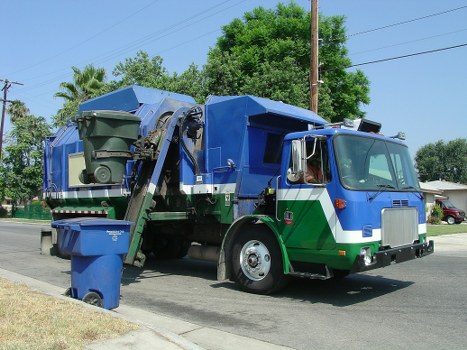
Wanstead House Clearance provides a practical, room-by-room clearance service for homes in Wanstead, with support for whole properties, single rooms and smaller clear-outs that need careful handling. The focus is on removing unwanted items in an orderly way, separating reusable pieces where possible and leaving the space ready for its next use. Whether you are dealing with everyday clutter, bulky furniture or a mixed household clearance, the work is arranged so it stays manageable and straightforward.
We handle a wide range of domestic clearance tasks, from lofts and garages to full house and flat clearances, so customers can choose a service that matches the amount of waste or furniture involved. House clearance is often the best fit where several rooms need to be emptied, while smaller jobs may be better suited to a targeted approach. The aim is to provide a clear, organised process without making the customer sort everything into multiple separate collections first.
If you are planning a clearance in Wanstead, use the service details here to understand the main options and then request a quotation when you are ready. A simple enquiry can cover the property type, the main items to be removed and any access points that may affect the work. That helps shape a realistic response and keeps the next step easy to arrange.
Domestic clearance options for homes and flats
Household clearances are rarely identical, so the service is best approached by thinking about the type of property and the kind of items involved. A full house clearance may include furniture, ornaments, boxed belongings, white goods and general household waste, while a flat clearance can require extra care around stairways, shared entrances and limited loading space. The right approach depends on what needs to go, what should stay and how access is arranged on the day.
Flat clearance is useful where items need to be removed from a smaller property with practical constraints, while a broader domestic job can be organised around separate rooms or floors. In many cases, customers want a mixture of both: some possessions removed immediately, some set aside for review and some left in place. Working this way keeps the task flexible and makes it easier to manage a property that is still partly in use.
The main benefit of a structured household clearance is that it turns a large job into a series of sensible decisions. For example, a living room might include furniture, books, electronics and decorative items, all of which may need different handling. A kitchen can involve cupboards, appliances and mixed general items. A hall or spare room may be full of miscellaneous things collected over time. Addressing each space in turn helps the clearance stay focused and avoids unnecessary disruption.
Managing furniture, bulky items and reusable pieces

Furniture often makes up a large part of any domestic clearance, and it needs careful handling because of its size, weight and condition. Sofas, wardrobes, tables, beds and cabinets can all require more than one person to move safely, especially where there are stairs, tight corners or narrow doorways. Removing bulky items without damage to walls, floors or door frames is an important part of keeping the job controlled from start to finish.
Furniture clearance is useful when items are no longer needed but are still in a condition that allows them to be moved responsibly. Some pieces may be suitable for reuse, while others are simply ready for disposal. The process is usually more efficient when the customer identifies which rooms contain the biggest items, but there is no need to create a detailed inventory unless it helps with planning. Clear access and a sensible order of removal are often more important than lengthy descriptions.
For customers who only want a few specific items removed, the service can be scaled accordingly rather than treated as a full-property task. That might mean taking away a mattress, a settee, a dining suite or a combination of unwanted pieces from different rooms. If you are deciding how much to clear, think about the items that are difficult to move, the furniture that blocks storage space and the pieces that are ready to leave the property entirely. That often gives a better starting point than trying to judge by room count alone.
Lofts, garages and storage spaces
Storage areas tend to accumulate a wide mix of belongings, and that makes them a common focus for clearance work. Loft spaces can contain old boxes, seasonal items, broken household goods and long-forgotten possessions, while garages may hold tools, shelving, garden equipment and general clutter. These areas are often awkward to sort through because the contents have been left undisturbed for some time, so a careful and methodical approach is more useful than trying to rush the task.
Loft clearance is especially helpful where access is limited and items need to be brought down safely before removal. A similar approach applies to garage spaces, where the contents may be mixed with items that need to remain in place. The work is usually easier when heavier pieces are identified in advance, because that allows a sensible order of removal and reduces the chance of blocked access or repeated lifting.
Not every storage area needs to be emptied completely. Sometimes the right solution is to clear only the rubbish, broken items and surplus belongings so that the space becomes usable again. In other cases the goal is to clear everything, perhaps ahead of moving, refurbishment or sale. Either way, the work is best planned around the actual contents, not around assumptions about how a loft or garage normally looks. That keeps the clearance accurate and avoids paying for unnecessary handling.
Garden and outdoor clearance

Outdoor spaces create a different kind of clearance challenge because they often contain awkwardly shaped waste, weathered items and mixed materials that have built up over time. Sheds, patios, side passages and garden storage areas can all collect broken furniture, old planters, tools, timber offcuts and general green waste. A tidy outdoor clearance removes the clutter that prevents the space being used properly and helps the area feel orderly again.
Garden clearance is a sensible option where the contents include both natural waste and man-made items. Branches, cuttings, soil, pots, fencing offcuts and unwanted outdoor furniture may all need different handling. A straightforward clearance can often be organised more efficiently when the main categories are known in advance, especially if the garden contains heavier items or waste stacked in several different areas.
Some outdoor clearances are mainly about one part of the property, such as a shed or side return, while others involve a wider reset of the whole garden. It helps to think about the result you want: a clear path, a usable lawn, space for new planting or the removal of a pile of discarded items after a renovation. That makes the scope easier to describe and gives the clearance a clear purpose rather than treating it as a vague tidy-up.
Commercial waste removal and office clearances
Not all clearance work is domestic. Businesses also need a reliable way to remove unwanted items, and the process is often shaped by workplace access, operating hours and the mix of materials involved. Desks, chairs, filing units, packaging, archived paperwork, shelving and general office clutter can all need to be removed in a way that keeps disruption low. For shops, workshops and other business premises, a measured approach is usually more practical than ad hoc disposal.
Office clearance suits spaces that are being reorganised, downsized or emptied ahead of a move. In many cases the aim is to remove redundant furniture and general contents while leaving the property safe and easier to use. Business waste removal is broader and may suit workplaces with regular clear-outs, storage overflows or mixed non-domestic waste that needs to be taken away in one organised visit.
Where office or business clearances are planned, it is useful to separate what must stay from what can leave, especially if the premises are still in use. That may involve identifying equipment that will be retained, furniture that is being replaced and areas that must remain accessible during the collection. A simple, structured plan reduces interruption and helps the removal proceed in an orderly way without turning the premises upside down.
Clearance work by property type
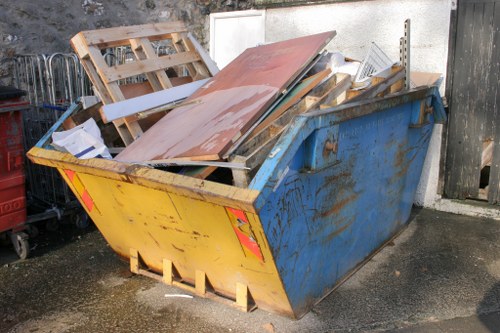
Different properties call for slightly different decisions, even when the basic task is the same. A terraced home may have narrow access and stairs; a flat may have shared hallways; a garage or loft may be difficult to reach; and a business unit may need collections to fit around opening times. The practical difference is not just the amount of waste, but the easiest and safest way to remove it without causing disruption.
When choosing the type of clearance you need, it helps to think in terms of the work itself. If the priority is to clear a whole property, a home clearance may fit better than a room-by-room request. If the job is centred on a particular area, such as stored items, furniture or household clutter, a more focused service can be a better match. The goal is to select the most suitable scope, not the biggest possible one.
A sensible property-based approach also makes it easier to decide what needs careful handling. For instance, some rooms may contain reusable furniture, others may hold mixed waste, and some may only need a light emptying. By matching the clearance type to the actual property and contents, the work can stay proportionate. That is especially helpful when the contents have built up gradually and there is no single category that describes everything inside.
How to prepare a clear and accurate quotation
Good quotation requests are usually simple. It is enough to describe the property type, the main items to be removed, any heavy or awkward pieces and whether there are stairs, narrow access points or shared entrances. If you are arranging a mixed clearance, mention which rooms are involved and whether the job includes furniture, general waste or both. A concise description is often more useful than a long list of guesses about what might be needed.
Useful details to include are the number of areas involved, whether items are located upstairs or downstairs, and whether there are any pieces that need separating from the main clearance. If a property contains a mix of furniture and household clutter, that can be noted in one short paragraph rather than broken into multiple messages. Where practical, have a quick look around the rooms or storage spaces first so you can describe the main contents accurately.
If you are ready to move forward, request a quotation with the basic facts and the service can be matched to the scope you need. For customers who are comparing options, it is often helpful to focus first on the type of property and the main items, then add any practical access notes afterwards. That gives a clear starting point without making the process feel complicated.
Pricing factors and service planning
Clearance work is usually priced according to the amount and type of material to be removed, the ease of access and the time needed to complete the job. Large or heavy furniture, awkward stair access, mixed loads and full-property work can all affect the overall scope. A small collection from one room will naturally differ from a larger clearance that involves several floors or a full set of domestic contents.
Pricing and quotes information is useful when you want to understand how the service is shaped before deciding on the work itself. It can help to think about the job in terms of what needs moving, how far it must be carried and whether there are separate categories of items. That kind of preparation supports a more accurate response and avoids describing the task in overly broad terms.
Planning also matters when the property is being cleared for a move, refurbishment or handover. In those situations, the clearance may need to happen in stages so that usable items stay in place until they are no longer required. A calm, ordered plan is often the best way to handle that. It leaves room for the customer to keep control of the property while still moving towards a clear and empty space.
About Wanstead
Wanstead is an area in east London with a long and distinctive history, combining village-like streets, green open spaces and a strong sense of older urban character. At its centre is the stretch around Wanstead High Street and Wanstead Place, where historic buildings sit alongside everyday shops and local services. The area is closely associated with Wanstead Park, a large landscape of woods, lakes and former estate land that reflects the changing history of the district from country estate to suburban neighbourhood. Much of Wanstead’s appeal lies in this contrast between built streets and generous green spaces, which gives the area an unusually settled atmosphere for London. The parish church of St Mary’s, with its notable classical design by Thomas Hardwick in the late 18th century, is one of the best-known landmarks and a reminder of the area’s long-standing importance. Wanstead Park itself forms part of Epping Forest’s southern edge and includes the avenues, water features and remnants of the former Wanstead House estate. The local layout also reflects the arrival of the railway and later suburban growth, but the area has retained a distinctive identity through its parks, conservation character and residential streets. For visitors and residents alike, Wanstead offers a mix of everyday convenience, architectural interest and access to open land that continues to shape the feel of the neighbourhood.
Choosing the right clearance scope

The best clearance solution is the one that matches the task without adding unnecessary complexity. Some customers need a complete emptying of a property; others only need selected rooms, furniture or stored items removed. Choosing the right scope early can save time later, because it makes the work easier to describe and helps avoid confusion about what should stay behind. A clear brief also makes the job easier to organise around access and the size of the load.
Recycling and sustainability is relevant where customers want to know how removed items are handled after collection, especially when a clearance includes reusable furniture, mixed household materials or bulky objects with separate components. When a service includes this kind of information, it can help you decide which items you are happy to include in the clearance and which ones you may want to keep aside. That makes the whole process more deliberate and less wasteful.
For straightforward planning, it helps to think in three steps: identify the property area, list the main items and note anything awkward or heavy. From there, the most suitable clearance can usually be matched quite quickly. Speak to us when you are ready to arrange the next step, or use the quotation request to give the basic details in one go. That keeps the process practical and focused on the work itself.