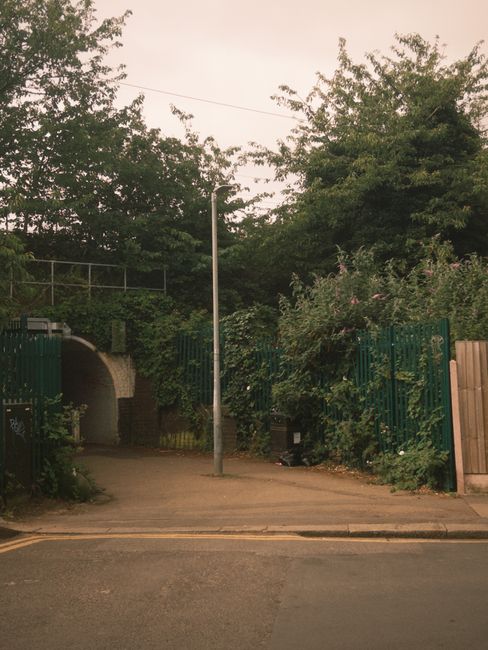
Narrow alley rubbish removals near Snaresbrook station: a practical local guide
If you have ever stared at a pile of rubbish in a cramped side passage and wondered how on earth it is going to move, you are not alone. Narrow alley rubbish removals near Snaresbrook station can be awkward, a bit messy, and surprisingly time-sensitive, especially when access is tight, neighbours are close by, and you do not want bins, bags, or broken furniture blocking a shared route for long. The good news is that with the right planning, this kind of clearance can be done safely and neatly, without turning the alley into a muddle.
This guide explains what narrow alley clearance involves, why access matters, how the process usually works, and what to look for when choosing a removal service. It also covers common mistakes, practical preparation, and the kind of details that make the difference between a smooth job and a stressful one. Truth be told, in tight London spaces, the little things matter a lot.
Why Narrow Alley rubbish removals near Snaresbrook station Matters
Tight access changes everything. A removal job that would take a couple of tidy collections on a wide residential road can become awkward if the only route is a slim alley, courtyard lane, or shared side passage. Around Snaresbrook station, where homes, flats, and mixed-use properties can sit in compact layouts, rubbish removal is often less about brute force and more about careful movement, timing, and respect for the space.
Why does this matter so much? Because narrow access increases the chance of blocked pathways, damaged walls, messy spillage, neighbour complaints, and wasted time. It can also affect what equipment can be used, how many people are needed, and whether some items need to be dismantled before moving. A simple skip is not always the best answer. In some places, it is not even practical.
There is also the human side. A narrow alley is often part of everyday life for the people who live there. They may use it for bikes, recycling, back-door access, or simply getting from A to B without squeezing past a sofa. A considerate clearance keeps that flow going. It sounds small, but it really is one of those jobs where courtesy makes a noticeable difference.
Expert summary: the best narrow-access rubbish removals are not just about taking waste away; they are about protecting the property, keeping the route clear, and finishing the job without drama. That is the standard to aim for.
If you are comparing related services, it can help to understand how a broad waste removal service differs from a more item-specific job such as furniture disposal or a fuller home clearance. The access issue is often what decides the method, not just the rubbish itself.
How Narrow Alley rubbish removals near Snaresbrook station Works
Most narrow alley removals follow a simple principle: plan the route before moving anything. The team will usually assess the access width, turning space, surface condition, slope, overhead obstacles, and how close the load area is to the vehicle. If you are living in a terraced street or behind a block of flats, those details can make all the difference.
In practice, the process often looks something like this:
- Initial access review. The route is checked so the team knows whether wheelbarrows, sack trucks, hand loading, or smaller carry tools are needed.
- Item sorting. Waste is grouped into reusable, recyclable, and general rubbish where possible. This saves time later and helps keep the alley tidy.
- Safe lifting and carrying. Items are moved in manageable pieces rather than forcing oversized loads through a tight gap. Nobody wants a wardrobe wedged halfway down a passage. Been there, seen that, not fun.
- Protection of surfaces. For delicate or narrow routes, teams may use boards, covers, or extra care to avoid scraping walls and gates.
- Loading and sweep-up. Once collected, the waste is loaded into the vehicle and the route is left as clean as reasonably possible.
Sometimes an item that looks impossible simply needs to be broken down first. A bed frame, for example, may be easier to remove in sections. Likewise, a heavy old cabinet may move more safely once the doors are taken off. Small adjustment, big relief.
In certain cases, people decide between a room-by-room clearance and a focused removal for bulky items. If you are dealing with larger volumes from a property that is being emptied, a house clearance may suit you better. If it is just a handful of awkward objects, a targeted collection is usually more efficient.
Key Benefits and Practical Advantages
There are several good reasons to choose a service that understands narrow access rather than assuming every job can be done the same way.
- Less disruption. Careful alley clearance keeps neighbour access open and avoids unnecessary noise or clutter.
- Lower risk of damage. Tight spaces can bruise skirting boards, chip paint, and scuff paving if the move is rushed.
- Better efficiency. A team used to narrow access will often work faster because they know how to break the job into sensible steps.
- More suitable transport planning. Not every vehicle fits every street approach. The right setup avoids avoidable back-and-forth.
- Cleaner finish. The best jobs do not just remove waste; they leave the route usable again.
There is also something reassuring about having the awkward part handled properly. If you are trying to manage a clear-out before work, or while keeping a property presentable for letting, you do not want the alley to become the day's main problem. You want the thing gone, quietly, and then get on with your life.
If the rubbish includes old chairs, tables, or a worn-out sofa that has to pass through a tight gap, furniture clearance may be the most sensible route. For ad hoc piles from everyday household clutter, a broader house clearance or home clearance approach can be the better fit.
Who This Is For and When It Makes Sense
Narrow alley rubbish removals near Snaresbrook station are useful for a surprisingly wide range of people. If access is awkward, the service becomes relevant very quickly.
This tends to make sense for:
- Homeowners with side passages or rear access only
- Flat residents sharing a tight communal walkway
- Landlords dealing with leftover clutter after a tenant move-out
- Local tradespeople clearing light building waste from a restricted route
- Small businesses needing discreet removal from service alleys or back entrances
- Families clearing garages, loft overflow, or garden waste through a narrow side access
It is especially helpful when the timing matters. Maybe you are preparing for visitors. Maybe the rubbish is attracting damp, pests, or just that stale "I really need to deal with this" feeling. Maybe the back route is the only route, and the bins are already full. Let's face it, clutter in a narrow alley looks twice as bad because it has nowhere to hide.
For landlords and property managers, the issue is often about turnover. A tight access point can slow things down if it is not planned properly, and delays tend to ripple into cleaning, repairs, and handover. For that sort of situation, checking broader options like flat clearance or business waste removal can be useful, depending on the property type and the waste volume.
Step-by-Step Guidance
If you want the cleanest possible result, prepare the access before collection day. It does not need to be perfect. It just needs to be sensible.
- Measure the narrowest point. Check gates, bends, steps, and any awkward pinch points. Even a few centimetres can matter.
- Identify hazards. Look for loose slabs, wet patches, low light, protruding nails, broken fencing, or items stored in the path.
- Separate the waste. Put furniture, general rubbish, cardboard, wood, green waste, and builder's debris into rough groups if possible.
- Move fragile items first. Anything glass, sharp, or unstable should be made safe before the main collection starts.
- Clear the route. Make sure bikes, planters, wheelie bins, and door mats are out of the way.
- Confirm the loading point. Decide where the vehicle can safely wait without causing obstruction.
- Keep pets and children away. A narrow alley becomes a working route, and that needs a bit of breathing room.
- Do a final walk-through. Check both ends of the passage before the team starts. You will spot the odd snag straight away.
A good removal crew will still adapt on the day, but a prepared property usually means fewer delays and less chance of damage. Even a ten-minute tidy-up beforehand can save a lot more time later. Odd how that works.
If your waste has come from a renovation or repair project, you may want to look at builders waste clearance as well. Narrow access and construction debris are a common combination, and they need a careful, practical approach.
Expert Tips for Better Results
Here are a few field-tested habits that make narrow alley clearance run more smoothly.
- Think in smaller loads. It is usually better to move three manageable trips than one overstuffed one.
- Dismantle bulky items where safe. A sofa arm, table leg, or bed base can make a huge difference in tight access.
- Use good lighting if the route is shaded. Morning light fades quickly in a narrow passage. A dim route slows everyone down.
- Protect corners and edges. Even a careful move can rub a wall if the turning point is tight.
- Be realistic about volume. If the alley can only handle a certain flow of items, the collection should be planned around that fact, not against it.
One practical tip many people miss: keep a temporary holding area near the entrance if you can do so safely. That way the actual alley stays clearer, and the movers are not constantly stepping around loose items. It sounds obvious, but in the middle of a busy day, obvious things are the first to vanish.
If you are choosing a company, look for evidence that they care about safe handling, insurance, and responsible disposal. Pages such as insurance and safety, health and safety policy, and recycling and sustainability are useful indicators that the operator thinks beyond the quick pickup.
Common Mistakes to Avoid
The most common problems with tight-access rubbish removal are rarely dramatic. They are usually small planning mistakes that snowball.
- Leaving access checks too late. If the team turns up and finds the alley too tight for the plan, time gets lost fast.
- Underestimating item size. A wardrobe, mattress, or broken shelving unit can be bigger in real life than it looks in the corner of the garden.
- Not clearing the route. A couple of forgotten plant pots or bin bags can turn a neat job into a shuffle.
- Mixing sharp waste with general rubbish. That makes handling slower and less safe.
- Trying to force oversized items through. This is how damage happens. Also how tempers rise. Nobody needs that.
- Ignoring neighbour access. Shared passages need a bit of thought, especially if other residents use them frequently.
Another mistake is assuming every clearance should be done the same way. Narrow alley rubbish removals are a different problem from a loft clear-out or a garage tidy. The access is the issue. If the access is difficult, the job should be approached differently. Simple, really, though not always easy.
For items that need careful disposal rather than just collection, furniture disposal can be the right route. And if the work is part of a bigger property reset, garage clearance or loft clearance may fit into the wider plan.
Tools, Resources and Recommendations
You do not need a warehouse full of equipment to prepare for narrow alley rubbish removals, but a few basic tools can help.
| Tool or item | Why it helps | Best use |
|---|---|---|
| Measuring tape | Confirms the tightest points of access | Before booking or moving bulky items |
| Work gloves | Improves grip and protects hands | Sorting mixed rubbish |
| Torch or portable light | Helps with shaded alleyways | Early morning or dim rear access |
| Dust sheets or covers | Helps protect walls and floors | Moving furniture through narrow routes |
| Sack truck or trolley | Reduces carrying strain | When the surface is level enough |
As for resources, the best starting point is usually a quick conversation with a removal team about access, item types, and timings. If the clearance is more like a full property emptying, it may be worth comparing that against loft clearance or office clearance depending on where the clutter has built up.
If you want to understand how the business presents itself, it can also help to read the company background on about us and review the practical details on pricing and quotes. Those pages often tell you more than a shiny sales pitch ever will.
Law, Compliance, Standards, or Best Practice
With rubbish removal, especially in shared or narrow access areas, compliance and good practice matter. You do not need to become a legal expert, but you should know the basics.
In the UK, waste should be handled by a legitimate operator, and waste transfer should be managed properly. For householders, the practical point is simple: choose a provider that can explain where waste goes and how it is handled. If someone offers a suspiciously cheap collection and cannot explain disposal at all, that is a red flag.
For narrow alley work, the best practice is to avoid obstruction, minimise disturbance, and prevent unsafe lifting or dragging. If the route is shared, respect for neighbours and building rules is part of the job. If the access is on private land, the property owner or managing party should be clear about permission and timing. Nothing glamorous there, but it matters.
Health and safety is not just paperwork. It shows up in how a crew plans lifting, avoids trip hazards, and handles awkward angles. Insurance is also worth asking about, because in tight spaces even a careful move can go wrong if something unexpected shifts. A professional operator should be comfortable discussing that. If they act annoyed by the question, well, that tells you enough.
For customers who want a more structured understanding of how waste is processed, recycling and sustainability is a good page to review. And if you are interested in how payment is handled securely, payment and security can help set expectations before anyone starts lifting.
Options, Methods, or Comparison Table
Not every narrow-access job needs the same method. The right option depends on volume, access width, item type, and whether the waste is mixed or straightforward.
| Method | Best for | Advantages | Trade-offs |
|---|---|---|---|
| Hand loading | Very tight alleys and small loads | Flexible, careful, low risk of scraping | Slower for larger volumes |
| Small trolley or sack truck | Level routes with decent turning space | Reduces carrying strain | Not suitable for steps or rough ground |
| Bulky-item dismantling | Furniture that will not fit through access | Makes difficult items manageable | Needs time and care |
| Full clearance team | Larger jobs with mixed waste | Efficient and organised | May cost more than a single-item pickup |
In plain English: if the alley is extremely tight, manual handling and careful staging usually win. If the route is level and the items are straightforward, a trolley can speed things up. If the volume is bigger, a fuller clearance approach may save time overall, even if it feels like the bigger step at first.
And if the job is not just rubbish but an entire room or property left in a jumble, the broader flat clearance or waste removal options can be more efficient than piecemeal pickups.
Case Study or Real-World Example
Picture a back alley near Snaresbrook station on a damp weekday morning. A homeowner has an old sofa, a dismantled wardrobe, several black bags, and a stack of flattened cardboard waiting by the rear gate. The passage is narrow enough that two people cannot pass comfortably, and the paving is a bit uneven near the middle. Nothing outrageous, but enough to make a rushed job a nuisance.
The first step is to clear the route and move smaller items close to the entrance. The wardrobe is split into panels. The sofa is handled in a way that avoids swinging it around the corner. The bags are lifted last so the alley stays open for as long as possible. The team keeps the moving line short and tidy, and the whole thing is done without blocking access for the neighbouring property next door.
The main lesson? The job did not need more force. It needed sequence. That is usually the answer with narrow-access clearance. Sequence, patience, and a bit of common sense. Not exactly glamorous, but very effective.
This kind of situation also shows why people often prefer a professional approach over trying to drag items through alone. What looks like a quick DIY job can become a back strain, a cracked wall, or a pile of frustration before you know it.
Practical Checklist
Use this simple checklist before the collection starts:
- Measure the narrowest part of the alley or side access
- Remove loose items from the route
- Check for steps, slopes, or uneven paving
- Group rubbish by type if possible
- Break down furniture where safe
- Protect walls, corners, and floors if needed
- Keep shared access clear for neighbours
- Decide where the vehicle can stop without causing obstruction
- Confirm what will be taken and what will stay
- Ask about disposal, recycling, and insurance before the job begins
If your rubbish has built up over time, do not feel bad about it. It happens. One box becomes three, then a chair, then a pile by the back gate, and suddenly the alley is doing more work than it should. The goal is just to reset it cleanly.
For ongoing clutter, especially in a property that keeps collecting things in storage spaces, you might also review garage clearance and loft clearance options so the problem does not creep back in.
Get a free quote today and see how much you can save.
Conclusion
Narrow alley rubbish removals near Snaresbrook station are all about making a difficult access route feel manageable. When the passage is tight, the most successful jobs are the ones that start with a clear plan, sensible handling, and a realistic view of the space. That is what keeps the process smooth, safe, and neighbour-friendly.
If you are preparing for a collection, think about access first, then volume, then timing. That order tends to work well. And if you are unsure whether you need a simple pickup or a wider property clearance, it is usually better to ask early than to improvise later. Less stress. Fewer surprises. Better result.
In a part of London where space can be precious, a careful clearance does more than remove rubbish. It gives you the breathing room back. And honestly, that can feel like a small relief that lasts.
Frequently Asked Questions
What counts as narrow alley rubbish removal?
It usually means any rubbish collection that has to be moved through a tight side passage, rear access lane, shared walkway, or similarly restricted route. The key issue is access, not just the waste itself.
Can bulky furniture be removed through a very narrow alley?
Sometimes yes, but it often needs to be dismantled or carried in sections. If the item is too wide, too heavy, or awkwardly shaped, a careful breakdown usually makes the job possible.
Is narrow alley clearance more expensive than normal rubbish removal?
It can be, because tight access may require more time, more handling, or extra care to protect the property. The final price depends on volume, item type, access, and labour needed.
How should I prepare a narrow alley before collection day?
Clear the route, move loose objects, check for hazards, and make sure the narrowest point is known in advance. A quick tidy-up can make the collection much smoother.
What if the alley is shared with neighbours?
Then keeping access clear and timing the removal politely becomes even more important. Shared routes need a bit of coordination so nobody is blocked in or left stepping around piles of waste.
Do removal teams take mixed rubbish from narrow access areas?
Yes, many do, provided the waste is safe to handle and the access route is workable. Mixed loads are common in household clear-outs and storage clean-ups.
Can builders' waste be taken through a narrow alley?
Often yes, but the type and weight of the material matter. Heavy rubble, sharp debris, and awkward bags need careful handling, so builder-style jobs should be planned properly.
How long does a narrow alley rubbish removal take?
There is no fixed time. Small, tidy loads can be handled quickly, while bulky or mixed items may take longer. The access route is often the biggest factor in timing.
What should I ask before booking the service?
Ask whether the team can handle narrow access, what information they need about the route, how they manage recycling, and whether insurance and safe handling are included in their process.
Is it better to book a full clearance or a single-item collection?
If the alley is difficult and the waste volume is larger, a fuller clearance may be more efficient. If it is just one or two items, a smaller collection is often the simpler choice.
Will the alley be left clean afterwards?
A good service should sweep up and leave the route tidy where reasonably possible. That said, if the alley was dusty or cluttered before, it is wise to agree expectations in advance.
Where can I learn more about the company and its approach?
You can review the company's background on about us, check practical details on pricing and quotes, and see how waste is managed through recycling and sustainability.